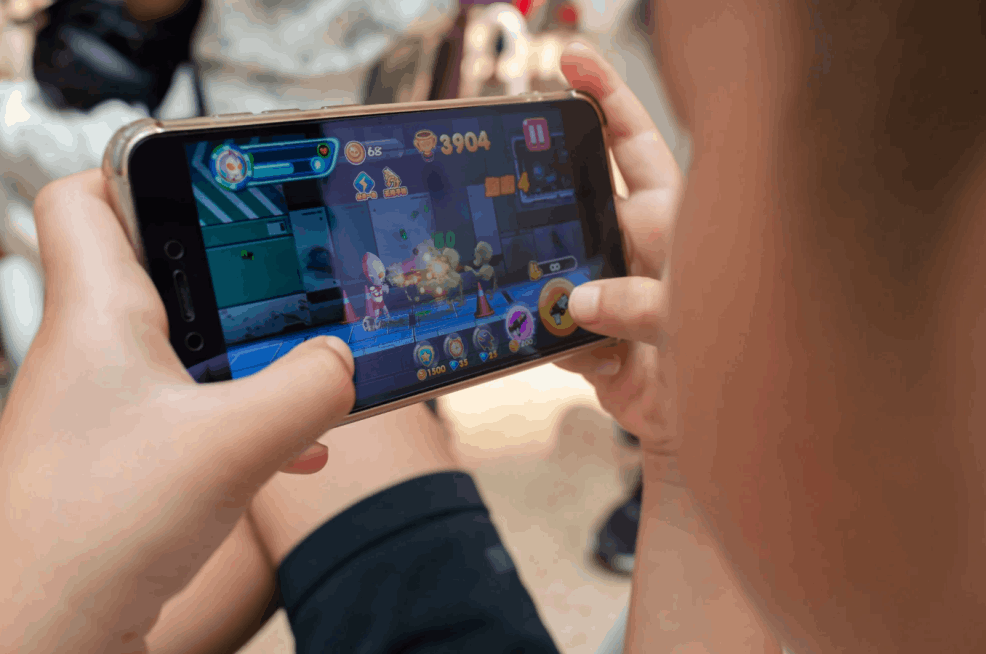
Understanding the economy and ethics of spending in mobile games.

Play Insight is an analytical blog dedicated to examining the world of in-game purchases, monetization models, and player spending in mobile gaming. We provide clear insights into how microtransactions and games with donations shape your playing experience.

Our Blog

Navigating the Gacha Landscape: A Critical Guide to the Best Gacha Games and Their Mechanics

This article provides a comprehensive examination of the gacha (loot box) system, explaining the psychological hooks and statistical probabilities behind acquiring characters or items in popular games with donations. It compares different gacha models, such as character banners, equipment pulls, and pity systems, analyzing which offer better value and transparency for players considering in-game purchases. Readers will learn strategic approaches to budgeting for gacha pulls, understanding rate-up events, and identifying when a game's monetization may cross into exploitative territory, empowering them to make informed decisions within this prevalent model.

The Real Cost of Convenience: Analyzing Microtransactions for Time, Resources, and Cosmetics

This in-depth analysis breaks down the various types of microtransactions beyond character acquisition, focusing on purchases that save time (speed-ups), provide resources (energy, gold), or offer pure customization (skins, cosmetics). It evaluates the fairness and impact of these purchases on game progression, balance, and personal enjoyment, questioning whether they enhance or undermine the core gameplay loop. The piece helps players distinguish between in-game purchases that offer genuine quality-of-life improvements and those that create frustrating artificial barriers designed primarily to drive revenue, fostering a more critical consumption mindset.

Pay-to-Win Games: Identifying the Spectrum and Its Impact on Competitive Fairness

This article defines the often-misunderstood concept of pay-to-win games, outlining a clear spectrum from mild pay-for-convenience to extreme pay-for-dominance models where victory is virtually impossible without significant financial investment. It examines how the presence of pay-to-win games affects player communities, long-term engagement, and the ethical considerations developers face when balancing monetization with fair play. By providing clear criteria and examples, the guide empowers players to recognize these mechanics early, set their personal boundaries, and choose competitive environments that align with their values and willingness to spend.

Our Mission

Our mission is to empower mobile gamers with transparent, unbiased knowledge about the complex economic systems that fuel games with donations and in-game purchases. We are dedicated to dissecting monetization strategies, from microtransactions to gacha mechanics, providing players with the critical tools to understand what they are really buying and its impact on their gameplay experience. We believe that an informed player is a protected player, capable of engaging with mobile games in a way that is financially conscious and personally satisfying.

We are committed to fostering a balanced and ethical conversation around mobile game monetization, advocating for fair value, clear odds disclosure, and design that respects players' time and investment. Our mission involves holding a critical lens to exploitative practices often found in pay-to-win games while also acknowledging and highlighting models that support ongoing development in a player-friendly manner. We strive to be a trusted source that separates hype from reality, helping our community navigate the marketplace with confidence.

Furthermore, our mission is to build a community where players can share experiences, strategies, and concerns about spending in games, creating a collective wisdom that benefits all. We aim to normalize discussions about budgeting for entertainment and evaluating the return on investment from in-game purchases, removing stigma and promoting healthy financial habits within the hobby. Through education and dialogue, we seek to improve the player-developer relationship and advocate for a more sustainable and enjoyable ecosystem for everyone.

Types of Donations in Games

Cosmetic-Only Purchases (Skins, Emotes, Visual Effects)

These in-game purchases offer pure customization and self-expression without providing any statistical advantage or impacting game balance. They are widely considered the most player-friendly form of monetization, allowing developers to generate revenue while maintaining a level competitive field for all players.

Progression and Convenience Purchases (Resource Packs, Speed-Ups, Energy)

This category includes microtransactions that accelerate progress, reduce grinding, or bypass time-gated mechanics by providing extra resources, instant upgrades, or refills for energy systems. While not directly pay-to-win, these purchases can create a significant advantage in games where time is a key competitive resource, blurring the line between convenience and power.

Power and Competitive Advantage Purchases (Stronger Gear, Top-Tier Characters)

These are the core transactions that define pay-to-win games, where players can directly purchase items, characters, or upgrades that provide a measurable and often insurmountable power advantage over non-paying players. This model monetizes competitive dominance and can fundamentally undermine game balance, skill-based matchmaking, and fair play within the community.

How Does Donation Affect the Game

The integration of in-game purchases fundamentally shapes a game's core design and progression loop, often shifting the focus from rewarding player skill and time investment to incentivizing financial transactions. Game systems are frequently built around "pain points" or deliberate friction, such as energy limits, slow resource generation, or steep difficulty curves, which microtransactions are then offered to alleviate. This design philosophy can transform a game from a challenge to be mastered into a service where advancement is routinely gated behind in-game currencies or direct payments, altering the fundamental relationship between the player and the experience.

On a community and competitive level, the presence of pay-to-win games creates a stratified player base divided by spending capacity rather than skill or dedication, which can lead to frustration, toxicity, and high churn rates among non-paying users. The balance and meta (most effective tactics available) in such games are often dictated by the latest paid items or characters, forcing competitive players into a continuous spending cycle to remain relevant. This environment can erode trust in the developer's motives and diminish the sense of achievement that comes from fair competition, as victory is perceived to be purchased rather than earned through mastery.

Economically, games with donations rely on a small percentage of players, often called "whales," who contribute the majority of revenue, which in turn dictates design priorities to cater to this high-spending demographic. This business model can lead to content and balance updates that favor encouraging more spending over improving the game for the broader audience. For players, this creates an ecosystem where the value of in-game currencies is volatile, the long-term viability of their investment is uncertain, and the overall direction of the game is steered by monetization metrics as much as, or more than, creative or community-driven goals.


Tips for First-Time Donators

Set a Strict Monthly Budget Before You Start

Decide on a fixed, affordable amount you are willing to spend on entertainment, including in-game purchases, and treat it like any other hobby expense to avoid impulsive spending. Use your device's built-in purchase limits or password protections to create a cooling-off period before any transaction is finalized, helping you stick to your predetermined budget.

Research the Game's Monetization Model and Community Sentiment

Before spending, investigate whether the game is considered pay-to-win or if its microtransactions are mostly cosmetic by reading player forums, reviews, and analyses like those on our blog. Understand the game's economy, the real value of its in-game currencies, and whether the items you want are regularly available or part of limited-time FOMO (fear of missing out) tactics.

Prioritize Permanent Progress Over Temporary Boosts

When evaluating in-game purchases, favor items that provide lasting value, such as permanent unlocks, inventory expansions, or coveted cosmetic skins, over consumable boosts or resources that provide a one-time advantage. Consider whether a purchase will enhance your long-term enjoyment or simply expedite a grind that is part of the core game loop you might otherwise enjoy.

Wait for Sales, Bundles, and First-Time Purchase Bonuses

Most games with donations offer periodic sales, special event bundles, or highly discounted "starter packs" that provide significantly better value for your money compared to standard microtransactions. Exercise patience and avoid buying in-game currencies at full price, as waiting for these opportunities can double or triple the effective value you receive for your initial spending.

Players' Opinions On the Donation

Player opinion on in-game purchases is deeply divided and often forms the core of community discourse, creating a spectrum from vehement opposition to willing acceptance based on personal values and the game's implementation. A significant portion of the player base views any form of microtransactions, especially in pay-to-win games, as inherently predatory, arguing that it corrupts game design, creates unfair advantages, and preys on psychological vulnerabilities. This group advocates for a return to premium (buy-once) models or strictly cosmetic monetization, believing that gameplay-affecting in-game purchases undermine the integrity and artistic vision of interactive entertainment.

Conversely, many players accept games with donations as a necessary reality for funding ongoing live service development, continuous content updates, and keeping games accessible via a free-to-play entry point. These players often draw a clear distinction between fair microtransactions—such as reasonably priced cosmetics, quality-of-life conveniences, or supporting developers they admire—and exploitative pay-to-win systems. For them, spending is a conscious choice to enhance their personal experience, express themselves through cosmetics, or "tip" developers for a game they enjoy, viewing it as a transactional exchange similar to other forms of paid entertainment.

The most nuanced perspective comes from players who engage critically with monetization systems, using resources like this blog to analyze the value proposition of in-game currencies and microtransactions on a case-by-case basis. This group is not inherently for or against spending but evaluates each game's economy, the transparency of its gacha odds (in the search for the best gacha games), and the overall respect shown for the player's time and wallet. Their opinion is fluid and can shift based on a game's updates, feeling empowered when their spending feels rewarding and vocal when they perceive practices as unfair, thus acting as a barometer for ethical monetization within the industry.

Testimonials

Opened My Eyes to Monetization Tricks

"Your analysis of pay-to-win games helped me identify the subtle progression gates in my favorite game that were designed to push microtransactions. I've since switched to games with fairer models and enjoy my hobby much more without feeling pressured to spend."
Carlos Mendes

Saved Me From Costly Gacha Mistakes

"The guide on best gacha games and understanding pity systems was a game-changer. I now budget my pulls strategically and feel in control of my spending instead of making impulsive purchases hoping for luck, which has made collecting characters actually fun again."
Fernanda Lima

Finally Understands the Value of In-Game Currencies

"Your breakdown of different in-game purchases taught me to distinguish between a good deal and a bad one. I no longer blindly buy currency packs and instead wait for the value bundles you often discuss, getting much more for my money."
Tiago Santos

Balanced Perspective on Spending

"I appreciate that you don't just condemn all games with donations but help analyze which monetization respects the player. Your advice on setting a budget has allowed me to support developers I like through cosmetic purchases without hurting my wallet."
Ana Beatriz

Frequently Asked Questions

No, not all; the ethical assessment depends entirely on the implementation and the value offered to the player. Many games with donations use fair monetization models, such as selling only cosmetics or offering microtransactions that provide genuine convenience without creating a pay-to-win environment, which can support ongoing development while keeping the game free-to-play for everyone.

Research is key: look for player reviews that specifically mention power being sold, examine the in-game store to see if it sells items that directly increase stats or combat power, and check if the competitive leaderboards are dominated by players with paid items. Games where victory in player-versus-player modes is heavily influenced by purchased power rather than skill are classic examples of pay-to-win games.

The best gacha games are transparent about their pull rates (often published due to legal requirements), feature a reliable "pity" or "spark" system that guarantees a top-tier item after a set number of pulls, and ensure that premium in-game currencies can be earned at a reasonable pace through free gameplay. They also balance their content so that free-to-play players can complete most or all of it with skill and planning, even if collecting every character requires payment.

It depends on the game's economy; buying specific item packs or bundles often provides better direct value than converting money into raw in-game currencies at a base rate. Always compare the cost: if a bundle offers a character plus bonus currency for $10, but buying the currency alone to get that character would cost $15, the bundle is the smarter in-game purchase. We generally advise against buying large amounts of base currency without a specific, immediate goal.

This is a central challenge in live service games with donations; successful developers create engaging content for all skill levels, ensure free players can earn meaningful rewards and in-game currencies over time, and design pay-to-win elements minimally or not at all. Balance is maintained by making sure that paid microtransactions offer alternative progression (cosmetics, convenience) or marginal advantages that do not completely overshadow skill, team play, and strategy in competitive modes.

Share Your Insights on Game Economies

Have a question about a game's monetization or an experience with in-game purchases you'd like to discuss? Your perspective helps inform our community. Send us a message using the form below.


Send us a message

Connect with Play Insight

Based in Rio de Janeiro, we analyze global gaming trends. For thoughtful inquiries or feedback on our content about microtransactions and game economies, please reach out via email. We value dialogue with conscious players.

Address

R. do Ouvidor, 50 - Centro, Rio de Janeiro - RJ, 20040-030, Brazil

© Play Insight 2025 - All Rights Reserved